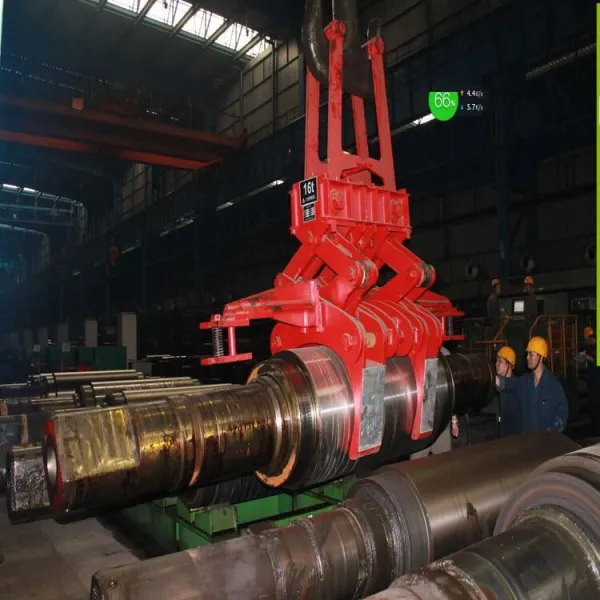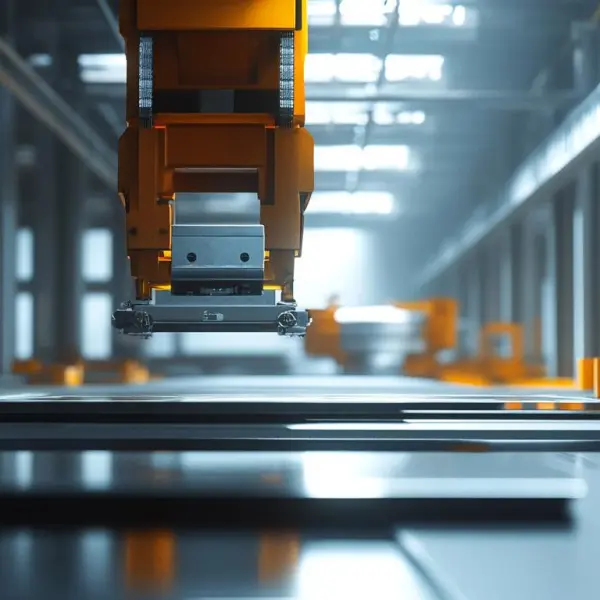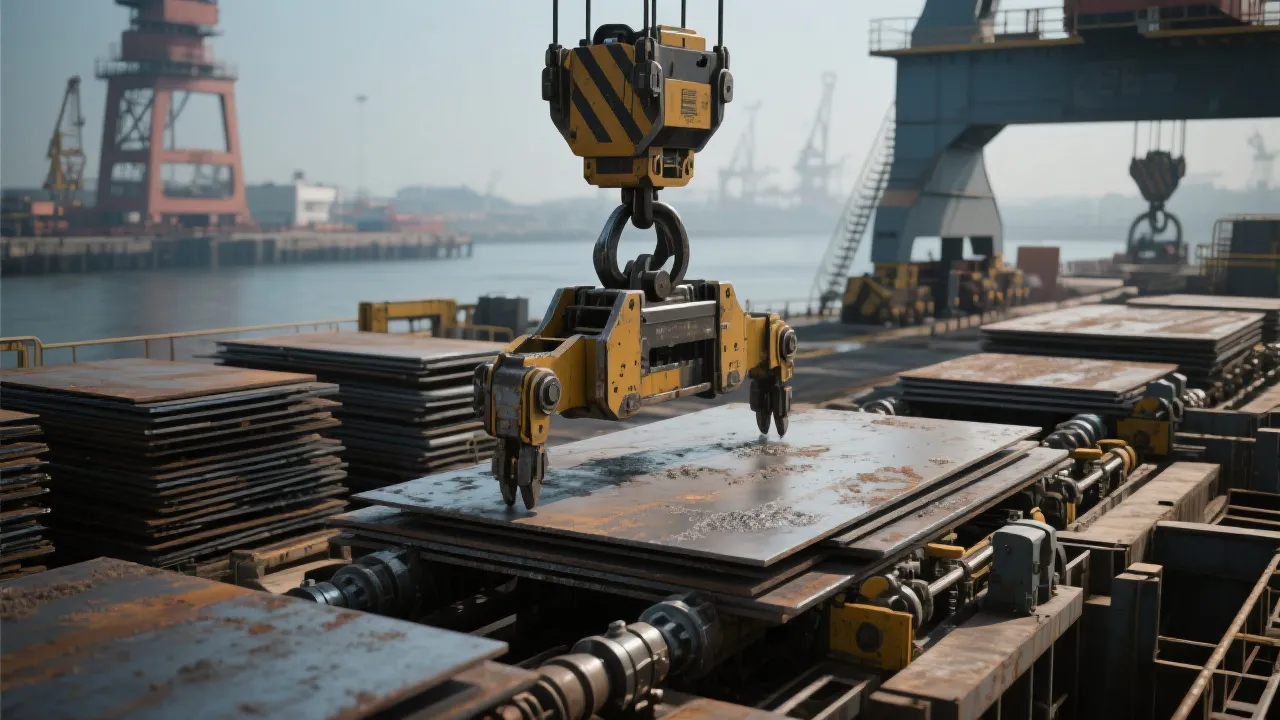
In the steel industry, handling hot plates—often at temperatures exceeding 600°C—is not just a logistical challenge—it’s a safety and efficiency bottleneck. Traditional manual lifting methods lead to increased risk of burns, inconsistent load control, and higher labor costs. That’s where Dalian Tiding Heavy Industry Co., Ltd. steps in with an innovative solution: a high-strength alloy steel plate gripper engineered for extreme conditions.
According to a 2023 study by the International Iron & Steel Institute, over 42% of steel mill accidents related to material handling occur during plate transfer operations—most due to improper gripping or slipping under thermal stress. Manual clamps lose grip when heat distorts metal surfaces, while standard hydraulic systems fail above 350°C. This isn’t just about productivity—it’s about compliance, worker well-being, and operational continuity.
| Challenge | Impact |
|---|---|
| Thermal deformation of plates | Slippage, dropped loads (avg. 12 incidents/month per facility) |
| Manual handling fatigue | Increased labor costs (+18–25% annually) |
| Corrosion from moisture + heat | Shorter tool lifespan (avg. 6 months vs. 24+ months with proper coating) |
The Tiding Heavy Industry plate gripper uses a combination of advanced materials and mechanical design:
A case study from a Korean steel plant using this gripper showed a 40% reduction in handling time per batch and zero reported injuries over 18 months—a direct result of improved ergonomics and consistent grip force across multiple plate thicknesses (from 10mm to 100mm).
When you reduce human error and increase throughput, your bottom line improves—not just in savings, but in scalability. One German steel processor noted a 30% increase in daily output after switching to these clamps, allowing them to take on new export contracts without adding staff.
“We used to lose 2–3 hours per shift just dealing with misaligned grips.” — Maria K., Logistics Manager, Bremen Steelworks
For procurement managers, logistics coordinators, and plant supervisors looking to future-proof their operations, this isn’t just a tool upgrade—it’s a strategic investment in safety, speed, and long-term ROI.