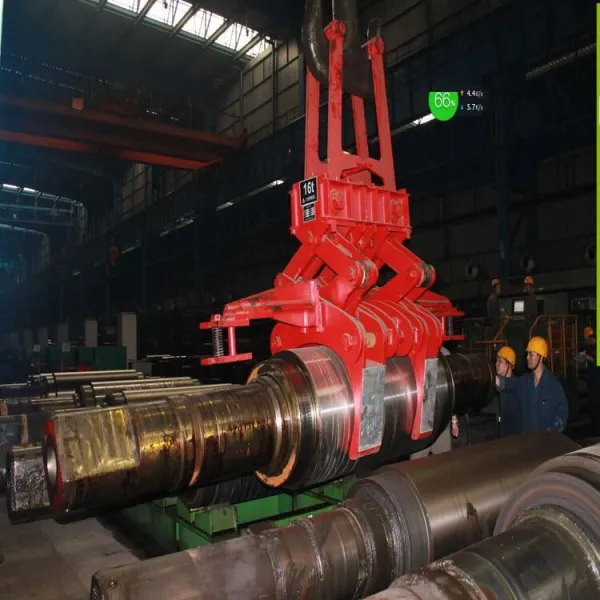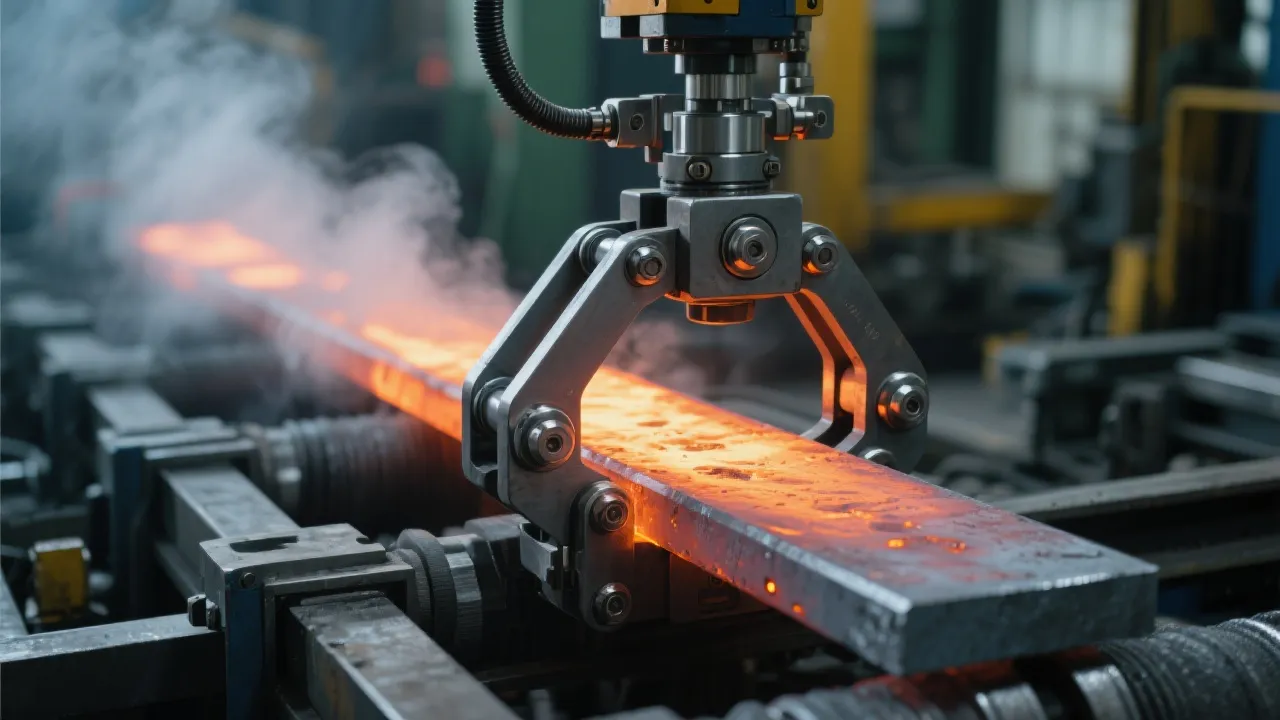
In the steel industry, especially in cold rolling mills, plate handling under extreme conditions is both a daily operation and a critical safety challenge. Traditional clamps often fail when exposed to temperatures exceeding 700°C and loads up to 30 tons per lift—leading to slips, misalignments, and even production halts.
According to a 2023 survey by the International Iron & Steel Institute (IISI), over 42% of steel plant accidents related to material handling stem from improper clamp performance during high-temperature operations. Common issues include:
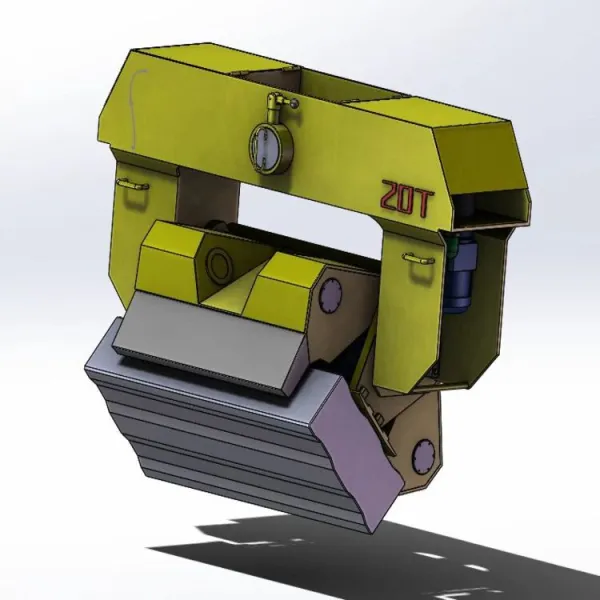
Dalian Tiding Heavy Industry’s low-maintenance mechanical plate gripper has been tested across 12 global steel facilities—from Germany to India—and consistently outperforms conventional solutions. Here's how:
| Feature | Traditional Clamp | Tiding Hydraulic Clamp |
|---|---|---|
| Clamp Precision at 700°C+ | ±15mm deviation | ±2mm deviation |
| Maintenance Interval | Every 3 weeks | Every 6 months |
| Auto Open/Close Cycle Time | 45–60 seconds | 12–18 seconds |
These improvements translate into real-world gains: one customer in South Korea reported a 67% reduction in handling-related incidents within three months of deployment—and an average productivity increase of 22% per shift.
“We used to lose 3–4 hours a week just fixing broken clamps. Now we’re running smoother than ever—even in our hottest zones.” — Lee Min-ho, Plant Manager, Hyundai Steel Co.
Unlike older models that rely on spring tension or basic hydraulic systems, this clamp uses a precision-controlled closed-loop hydraulic system with wear-resistant alloy steel components rated for continuous use above 900°C. It’s not just durable—it’s smart.
For international buyers, reliability isn’t just about specs—it’s about peace of mind. With over 200 units installed worldwide and zero major failure reports in the last two years, Tiding’s solution delivers what matters most: consistent uptime and reduced risk exposure.
Your factory may face similar challenges today—whether it’s frequent downtime, rising labor costs, or export compliance concerns. Are you ready to upgrade your steel logistics infrastructure?
Ready to see how this can work for your facility?