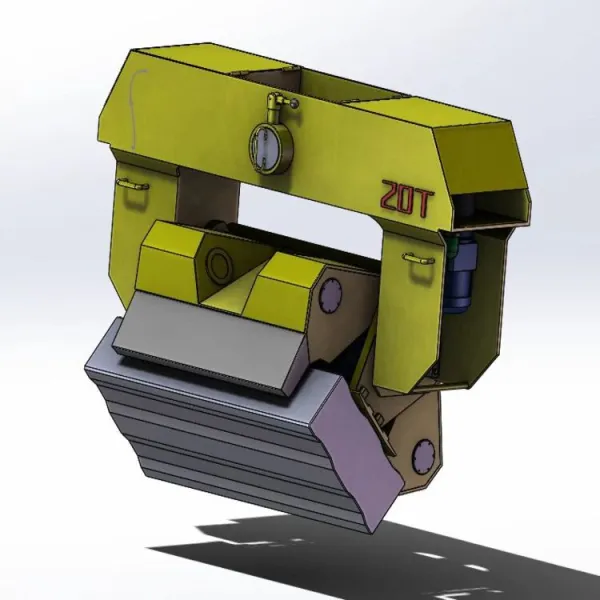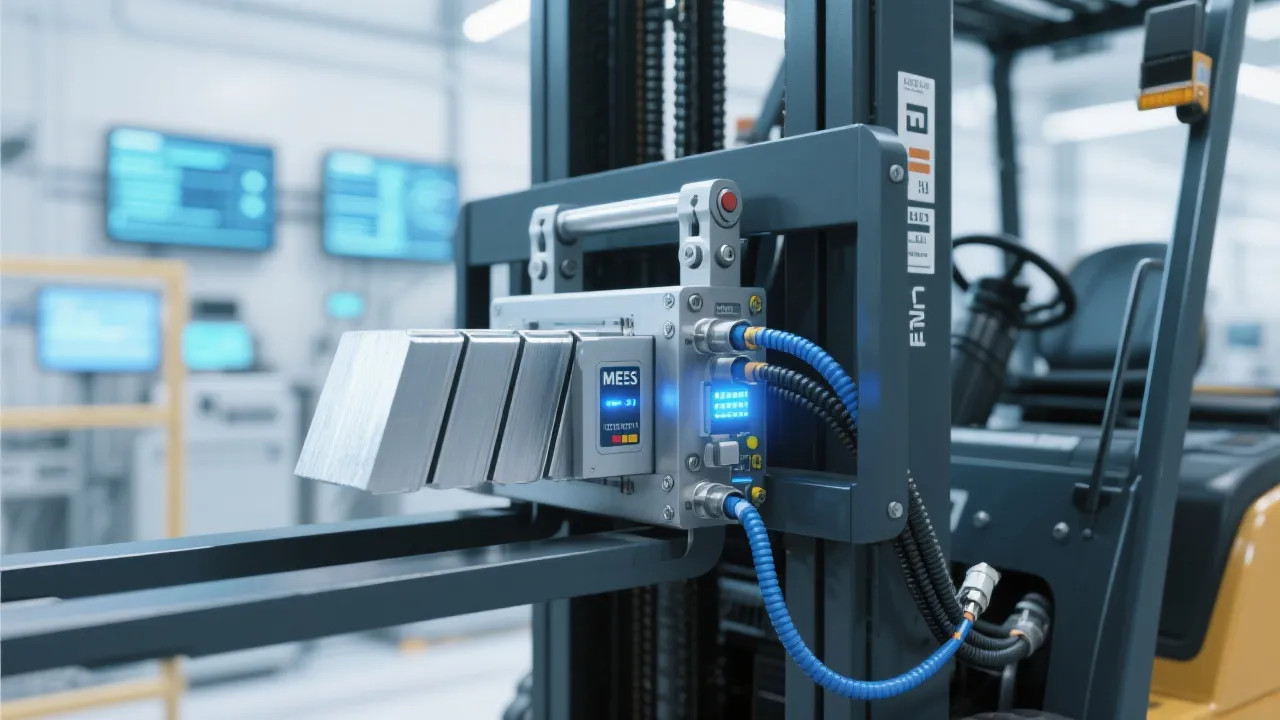
In today’s competitive steel production landscape, logistics efficiency isn’t just about moving materials—it’s about minimizing downtime, reducing risk, and maximizing throughput. For many mills, the bottleneck lies in handling heavy steel ingots safely and quickly. That’s where Dalian Tiding Heavy Machinery's hydraulic clamps come into play—engineered not only for strength but for intelligent operation.
According to a 2023 survey by the International Iron & Steel Institute, over 68% of steel plants report at least one major lifting incident per year due to outdated or poorly maintained gripping equipment. Common issues include:
Unlike traditional mechanical clamps, Tiding’s power-driven hydraulic system delivers consistent force across the entire load range—from 8 to 550 tons—with zero manual intervention. Here's how it transforms operations:
| Feature | Traditional Clamp | Tiding Hydraulic Clamp |
|---|---|---|
| Load Range | Fixed (typically 20–300 tons) | 8–550 tons (adjustable via control panel) |
| Grip Consistency | Variable, operator-dependent | Automatic, sensor-controlled pressure regulation |
| Setup Time per Lift | ~3–5 minutes | Under 60 seconds |
As one plant manager from a mid-sized Chinese mill put it: "We saw our crane cycle time drop by 40% after switching to Tiding clamps—and no more broken grips or near-misses." — Zhang Wei, Operations Director, Hebei Steel Co.
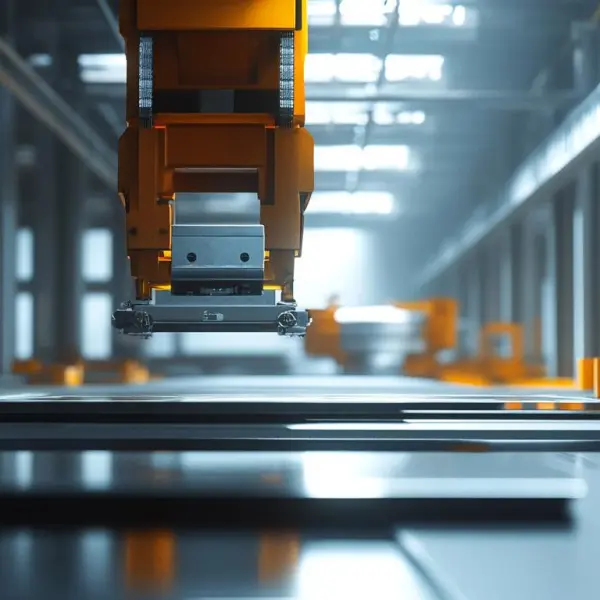
At a large integrated steelworks in Shandong, these clamps are now used daily in both hot and cold transfer operations—whether moving 8-ton billets between rolling stands or 550-ton ingots into the reheating furnace. The compact design ensures minimal clearance requirements, making them ideal for tight spaces often found in older facilities undergoing modernization.
What sets Tiding apart is its focus on predictive safety: built-in overload sensors automatically halt operation if torque exceeds safe thresholds, while redundant hydraulic circuits ensure fail-safe performance even under extreme conditions.
For steel producers looking to reduce operational risks and boost productivity, this isn’t just an upgrade—it’s a strategic investment in resilience. Whether you're optimizing your existing line or planning a new facility, the right clamp can make all the difference between routine delays and seamless flow.
%20Clamp-1.jpg?x-oss-process=image/resize,m_fill,h_600,w_600/format,webp)