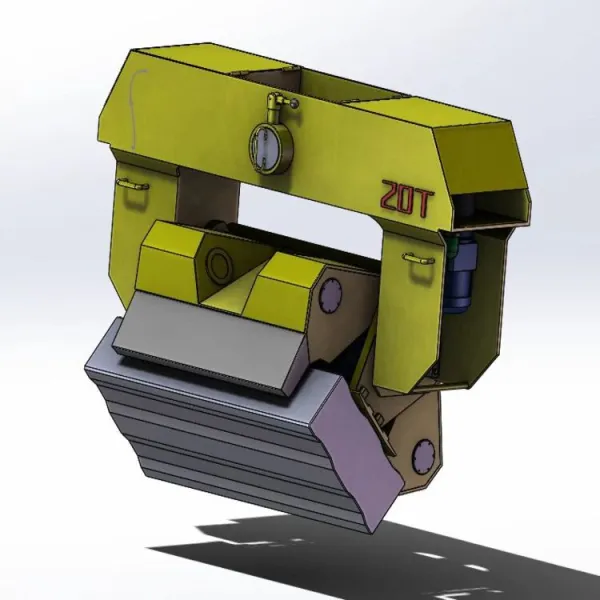
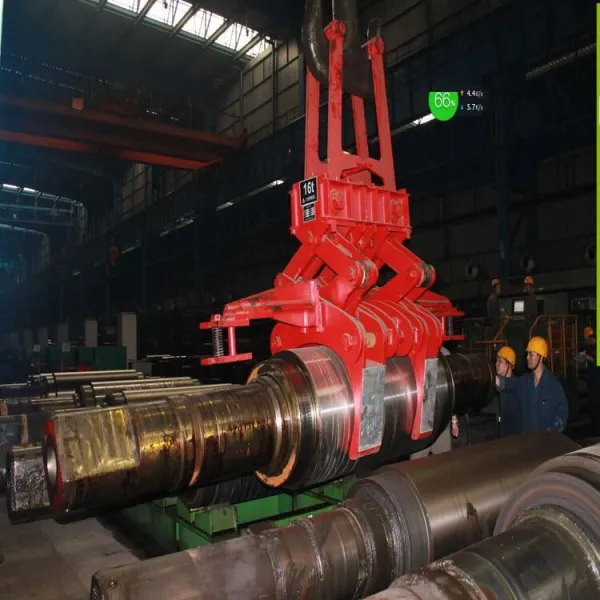
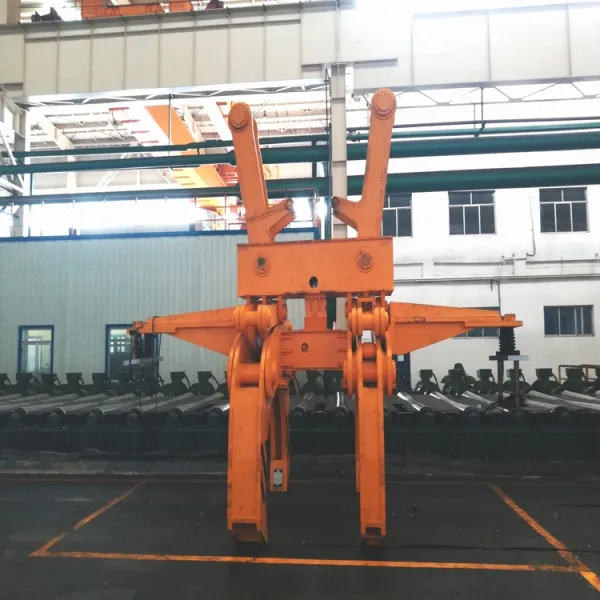
In steel manufacturing, efficient and safe handling of hot slabs is not just a logistical challenge—it’s a critical factor in productivity, safety, and profitability. Traditional mechanical grippers often fail under high-temperature conditions, leading to frequent maintenance, operational delays, and even workplace incidents. That’s where Dalian Tiding Heavy Industry's low-maintenance hydraulic slab gripper steps in—not as an upgrade, but as a strategic shift.
According to industry data from the World Steel Association, unplanned downtime in rolling mills averages 12–18 hours per month, with equipment failure accounting for over 40% of those losses. In many cases, this stems from outdated or poorly maintained clamping systems. Our clients report that switching to our hydraulic-driven design reduced slab-handling errors by up to 73% and cut maintenance costs by nearly 35% annually.
“After installing the new gripper at our cold rolling mill in Turkey, we saw immediate improvements—no more misaligned slabs, no more operator fatigue. It’s like the machine finally ‘gets’ what we need.” — Engineering Manager, Meden Group (Turkey)
| Feature | Traditional Clamp | Tiding Hydraulic Gripper |
|---|---|---|
| Hydraulic Control Precision | Manual adjustment, inconsistent grip force | Auto-adjusting pressure (±2%) for optimal hold |
| Material Durability | Standard alloy steel – wears quickly at 1,200°C+ | High-grade heat-resistant alloy (ASTM A514) – lasts 3x longer |
| Maintenance Frequency | Monthly inspections required | Quarterly checks only – up to 60% less labor cost |
Your production line doesn’t need another part—it needs a smarter solution. Whether you’re operating in Germany’s precision-focused steel plants or Saudi Arabia’s high-volume facilities, this gripper delivers consistent performance across diverse climates and standards.
Let every slab land securely—and let your team focus on what matters most: output, quality, and safety.
Are you still using manual or semi-automatic clamps? Could your current system be holding back efficiency—or worse, creating risk?